The Lordship and Barony of Fentoun

East Lothian, Scotland

breaker line

A historic Scottish feudal dignity and noble title linking the world of today to that of yesteryear

Fenton tower

The Lordship and Barony of Fentoun

East Lothian, Scotland

breaker line

A historic Scottish feudal dignity and noble title linking the world of today to that of yesteryear

Rooted in East Lothian

breaker line

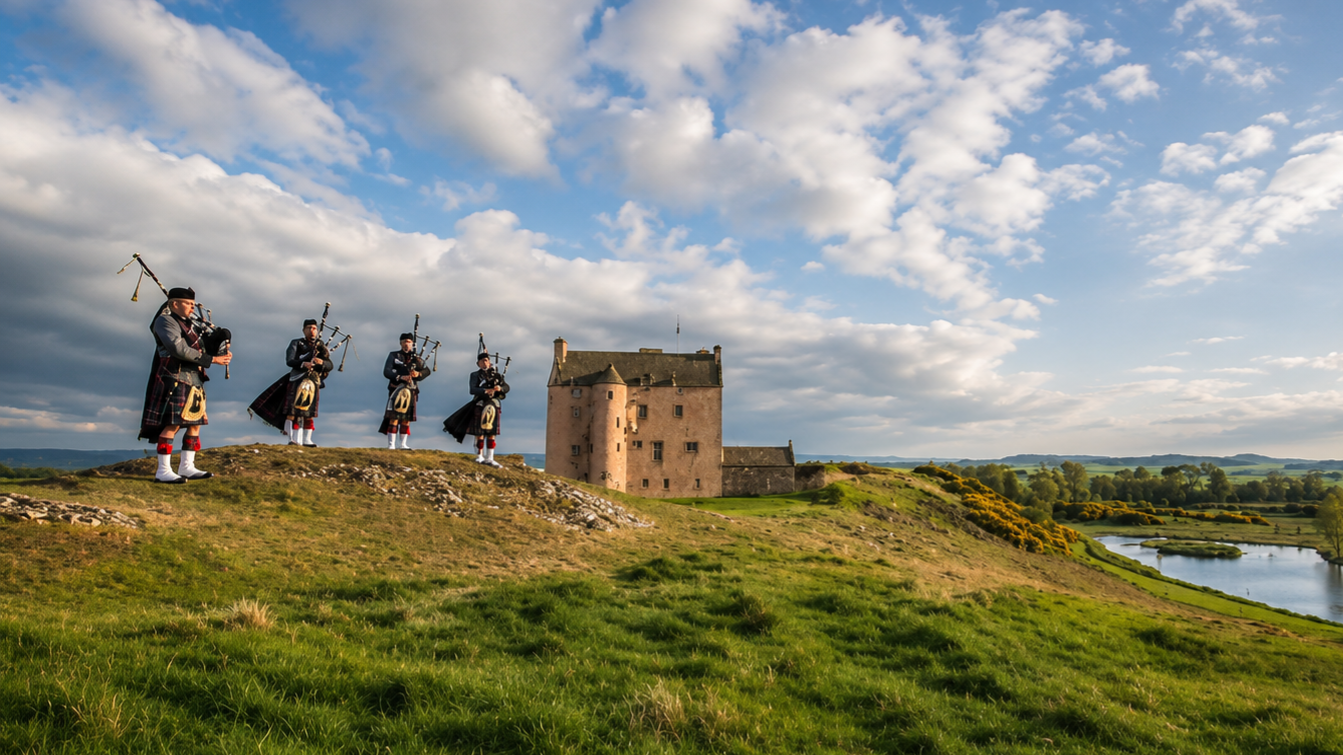
The lands around what is now Fenton Tower – a prominent local landmark south of North Berwick and to the east of Edinburgh, on the south side of the Firth of Forth, in the eastern portions of the central lowlands of Scotland – were united into a free lordship and barony called the Lordship of Fentoun in 1618, during the ownership of Thomas Erskine, Viscount of Fenton (later Earl of Kellie). Erskine had received the forfeited Dirleton estates from King James VI of Scotland (who by that point had also become James I of England), and with his king’s pleasure thereupon acquired the additional noble title of Lord of Fentoun.


Today a freestanding feudal dignity separated from its original lands, this noble title has passed through at least 14 holders since 1618, reaching the current Lord and Baron of Fentoun in 2026, as announced in the Edinburgh Gazette (official notice) and recorded in the Scottish Barony Register.


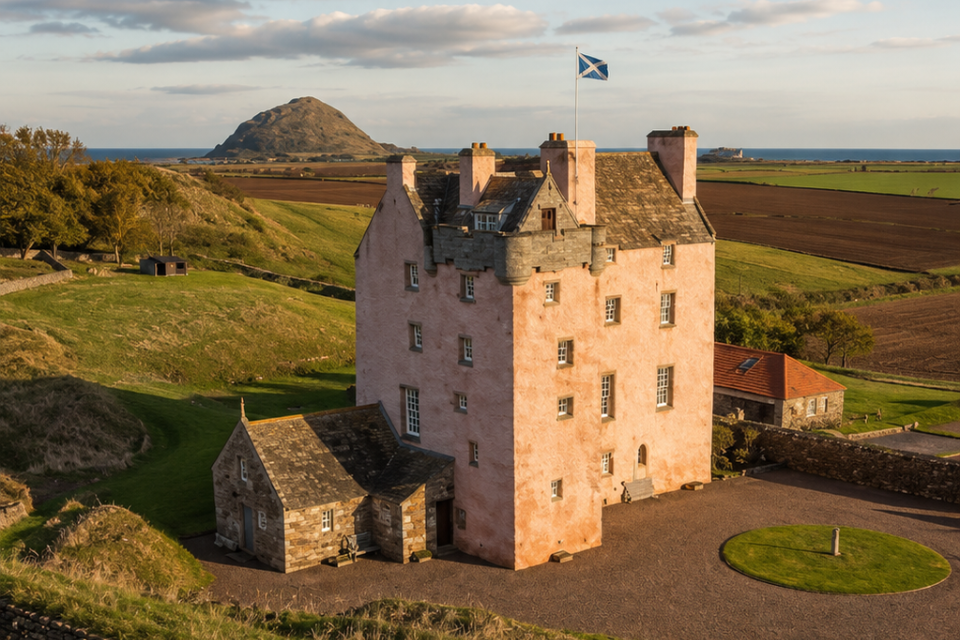
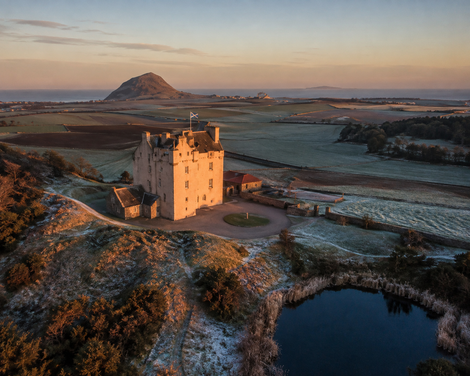
Fenton Tower aerial view, East Lothian

A Rich Historical Legacy

breaker line
Fenton Tower aerial view, East Lothian

The area around what is now Fenton Tower is rich in Scottish history. Originally part of the Anglo-Saxon kingdom of Bernicia, the area – known until the 20th Century as Haddingtonshire – was ceded to Scotland by King Edgar (“The Peacemaker”) of England (c.944-975) in the 10th Century.  Even earlier, however, what is now East Lothian had already acquired an extraordinarily deep connection to Scottish history, for it was in this vicinity in 833 AD that Angus Mac Fergus (Óengus II, king of the Picts from 820-834 AD) defeated the Angles at the battle of Athelstaneford.


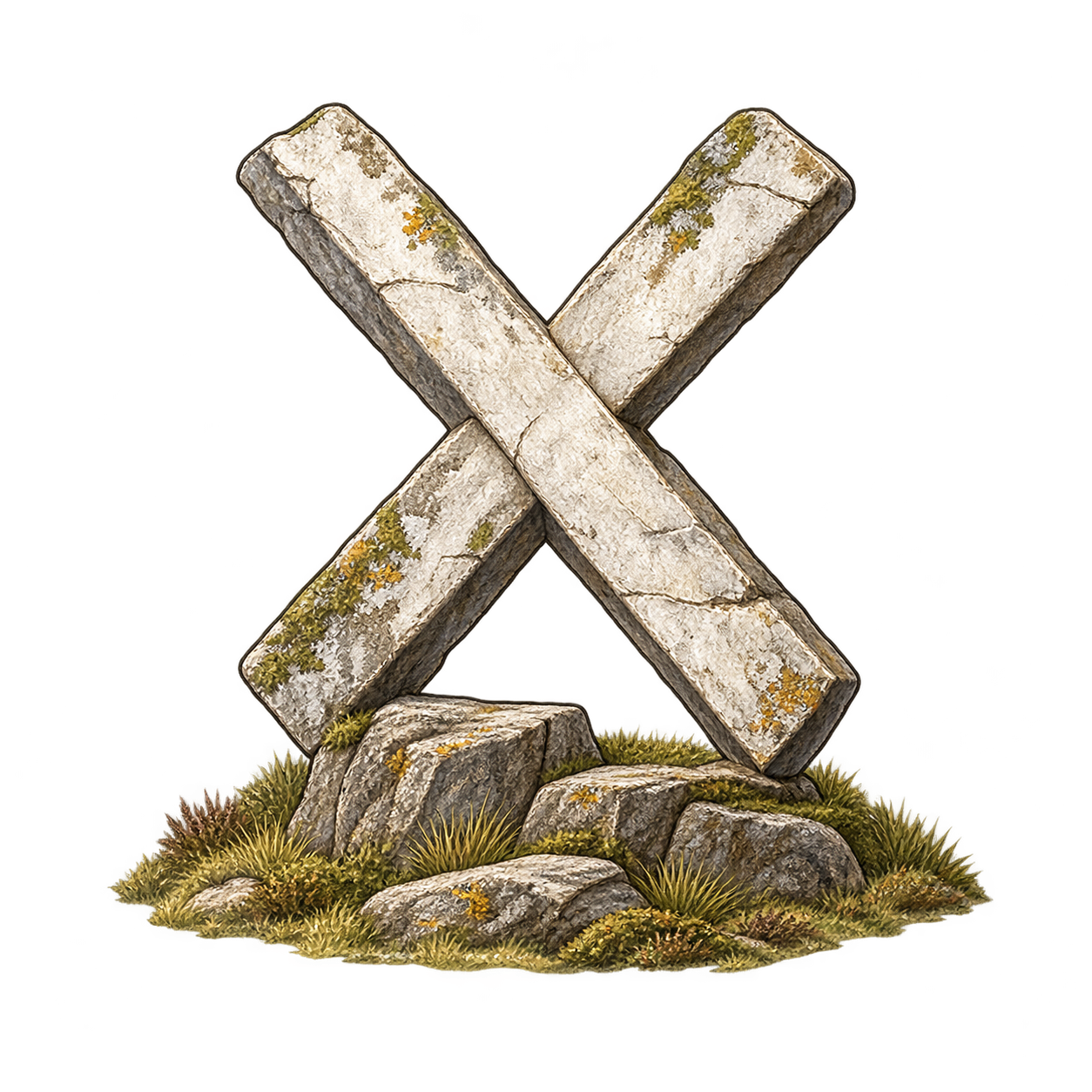
According to legend, on the eve of the battle, St. Andrew himself appeared to the Pictish king and advised him to “watch for the sign of the Cross of Christ in the air” – which indeed they saw. In gratitude for their victory, the Picts agreed to venerate the saint, and this is the origin of the Scottish national flag, the Saltire: a white St. Andrew’s Cross on a blue field. The lands in this area came to be held by the De Vaux family, an Anglo-Norman family originally from Rouen, which settled in nearby Dirleton during the 12th Century.


The lands around Fenton Tower appear thereafter to have passed into the Haliburton family after the death in the 14th Century of William de Vaux, Lord of Dirleton, after which an heiress to some of these lands, Janet Haliburton, married William, Lord Ruthven.


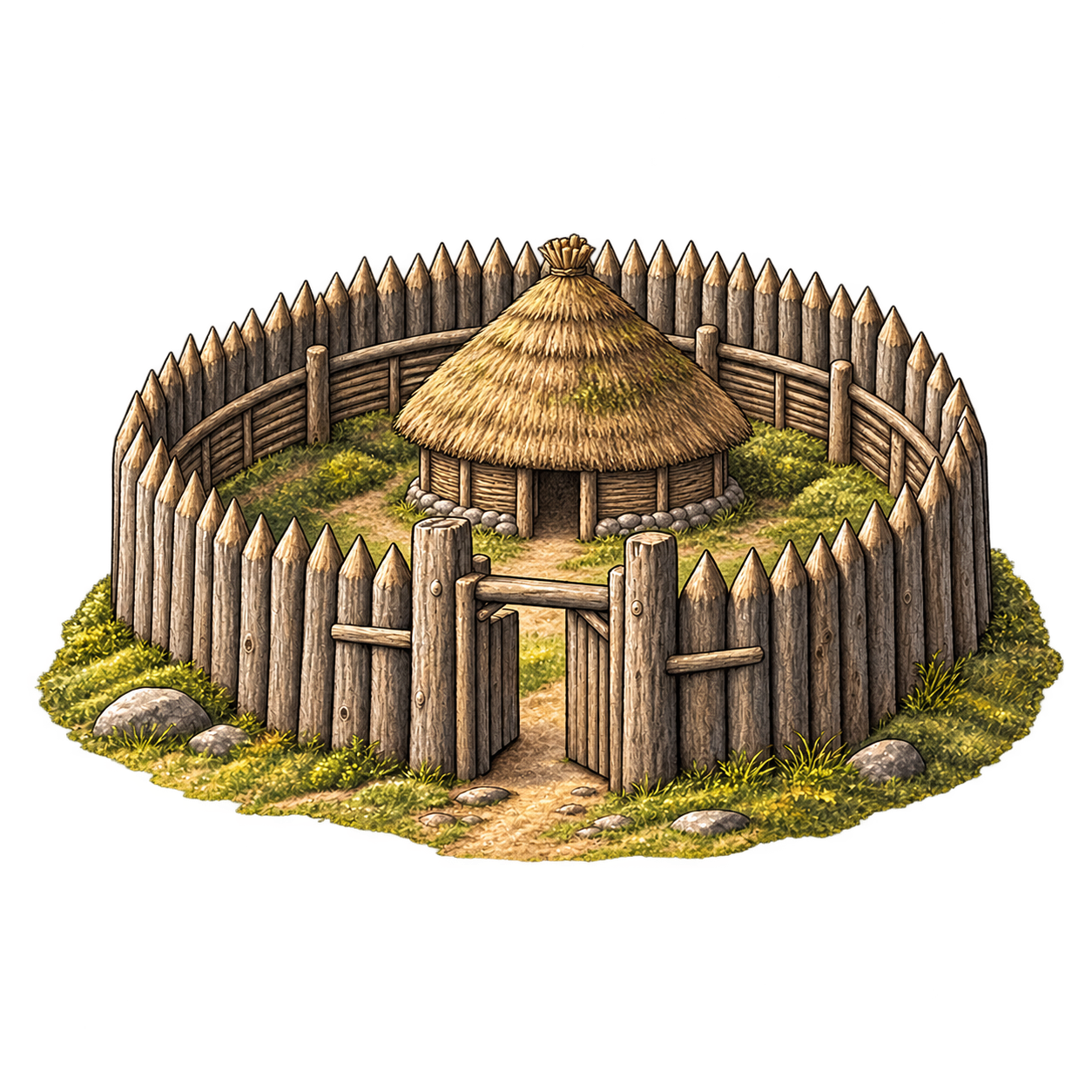
There has been a fortified tower at that location since the 11th Century, but the building now known as Fenton Tower was built in 1550 by Patrick Whytelaw, the son of Patrick Ruther (1520-1566), the 3rd Lord Ruthven.


Fenton Tower – alternatively spelled as Fentoun Tower, and once known as Over Sydeserff, a name deriving from St. Serf (c.500-c.583), a Scottish saint who proselytized among the pagan Picts of this area in the 6th Century and whose feast day is July 1 – was restored at the end of the 20th Century.

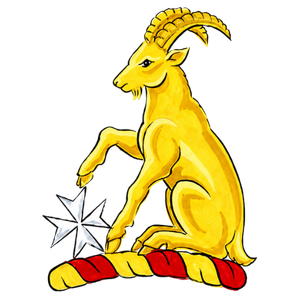
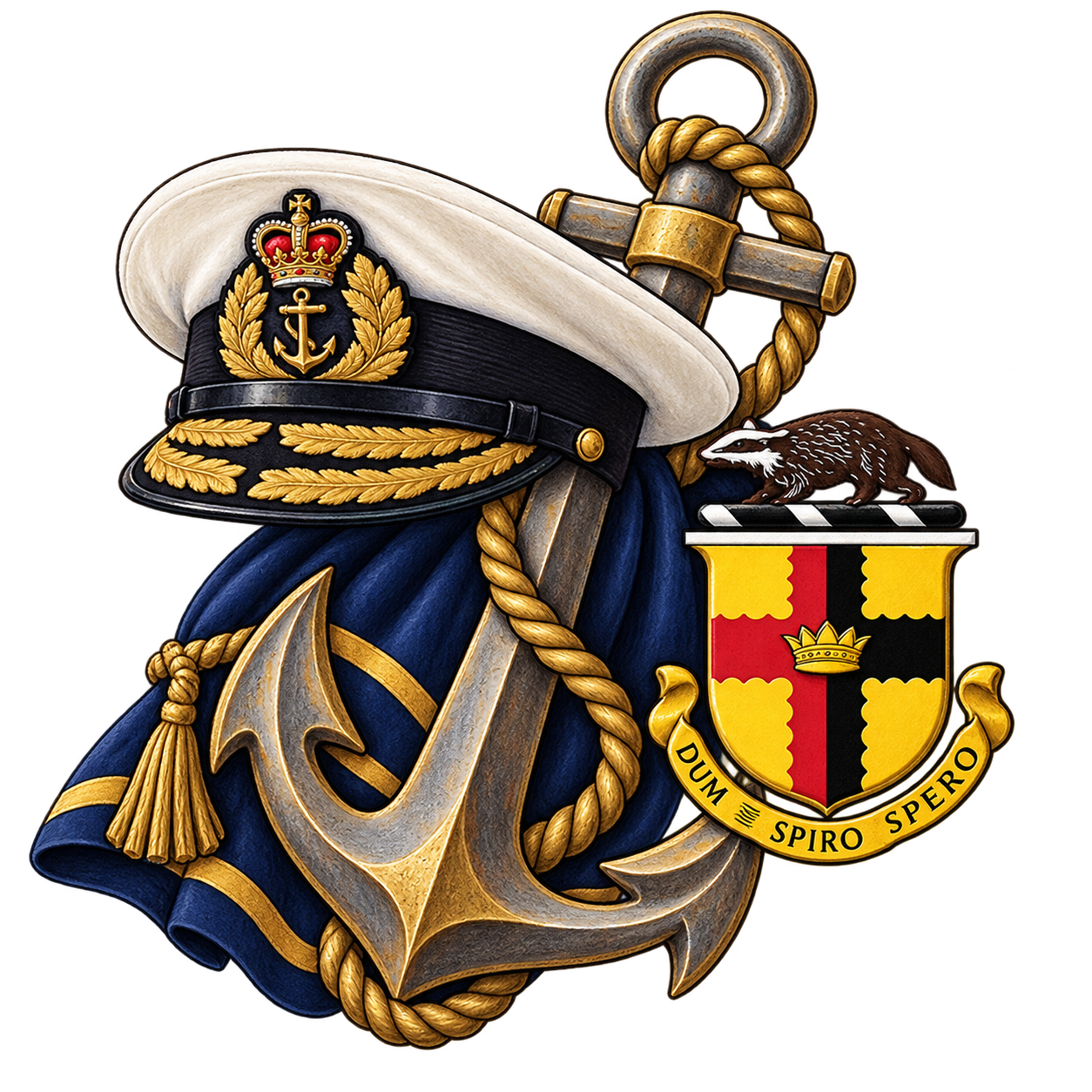
Christopher Ford Personal Crest

IMPORTANT DISTINCTION

As a result of the Abolition of Feudal Tenure Act 2000, the Lordship and Barony of Fentoun no longer has any connection to the lands around Fenton Tower, and it has no connection to the current Fenton Tower Hotel.

Origins of the Lordship

breaker line
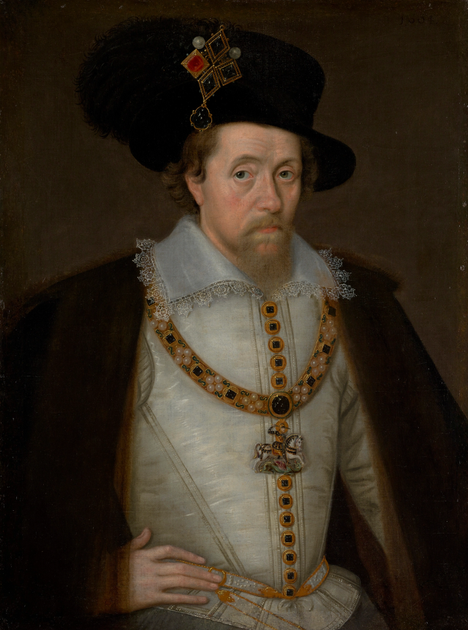
Historical portrait of King James VI of Scotland

King James VI of Scotland

Following the creation of this noble title in 1618 by King James VI of Scotland for Thomas Erskine, Viscount of Fenton, the Lordship and Barony of Fentoun passed through at least 14 different title holders to the present day, beginning with James Maxwell of Innerwick, Earl of Dirleton, to whom the lands were regranted via a charter from King Charles I in the year 1631.


They thereafter passed to another James Maxwell (a.k.a Cecil), the Earl of Salisbury, but were regranted again by Charles II to the Scottish judge Sir John Nisbet in 1664, and were later incorporated as one part of the larger holdings of the Lordship and Barony of Dirleton by charter from King James II (a.k.a. James VII of Scotland) in 1685.


The lands and the Lordship and Barony of Fentoun remained in the Nisbet family for many years thereafter, up through the ownership of Lt. Col. John Patrick Nisbet Hamilton Grant, DSO, who held the title from 1920 to 1933.


The land and title were held by multiple part-owners or by corporate owners thereafter, however, except for the period beginning in 1955, when they were held by Vice Admiral Basil Barrington Brooke (1895-1983) – an estranged member of the famous family of “White Rajas” that long ruled the Kingdom of Sarawak, a well-known cricketer for the Singapore National Team, naval aide-de-camp to King George VII, and the commander of the battlecruiser HMS Renown during the Second World War.

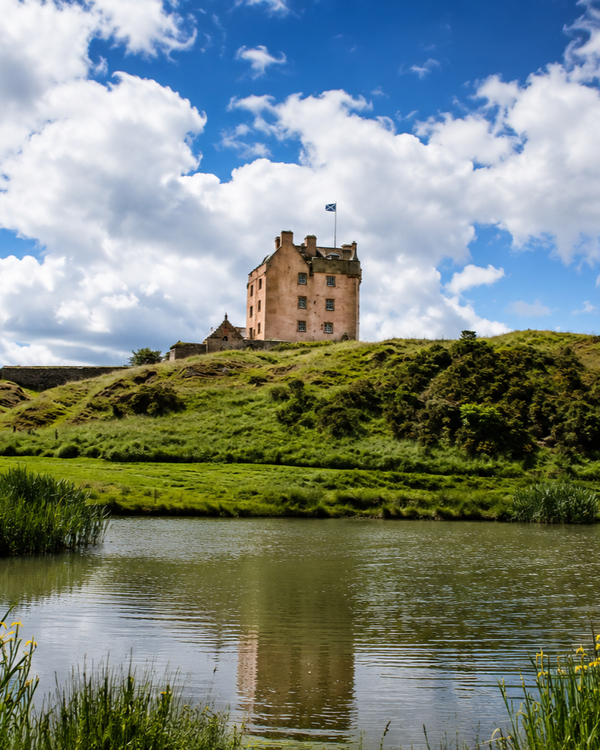
Fenton Tower within the East Lothian landscape
Crown icon

What are Scottish Baronies?

A baron is the lowest rank of nobility in Scotland, situated above esquires and gentlemen but below the more familiar titles of knight and baronet, and a lord is the title in the Scottish baronage immediately above that of baron. (The various titles in the Scottish baronage are not equivalent to barons in England, for whom the Scottish equivalents are Lords of Parliament.)

Handshake icon

Acquisition and Transfer

Until 2004, noble titles in the Scottish baronage passed to whomever was the owner of the specific lands (e.g., Fenton Tower and its environs) associated with each title. Historically, the holder of such a title enjoyed certain legal rights vis-à-vis the inhabitants of the lands in question, but this is no longer the case. Under the Abolition of Feudal Tenure Act of 2000, Scottish titles ceased to be connected to specific parcels of land, but they remained dignities that could be transferred as property in their own right.

Feather pen icon

Formalities of the Baronage

A Scottish barony title brings the holder within the jurisdiction of the Lord Lyon King of Arms, and the holder may upon that basis be granted a coat of arms in Scotland. Today, transfers of titles in the baronage are recorded in the Scottish Barony Register.

Timeline of the Lordship of Fentoun and the East Lothian Region

breaker line

Iron Age

Votadini hill-forts built in the region

833 AD

Battle of Athelstaneford; St. Andrew’s Cross becomes Scottish national symbol

1550

Construction of Fenton Tower

1618

King James VI of Scotland creates Lordship and Barony of Fentoun

1631

Lands and title regranted by King Charles I of England

1664

Lands and title regranted by King Charles II

1955–84

Lands and title held by Vice Admiral Basil Barrington Brooke, of the family of the Rajas of Sarawak

2026

Title passes to the current Lord and Baron

Heraldry & Register

breaker line

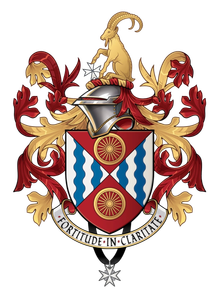
English Coat of Arms

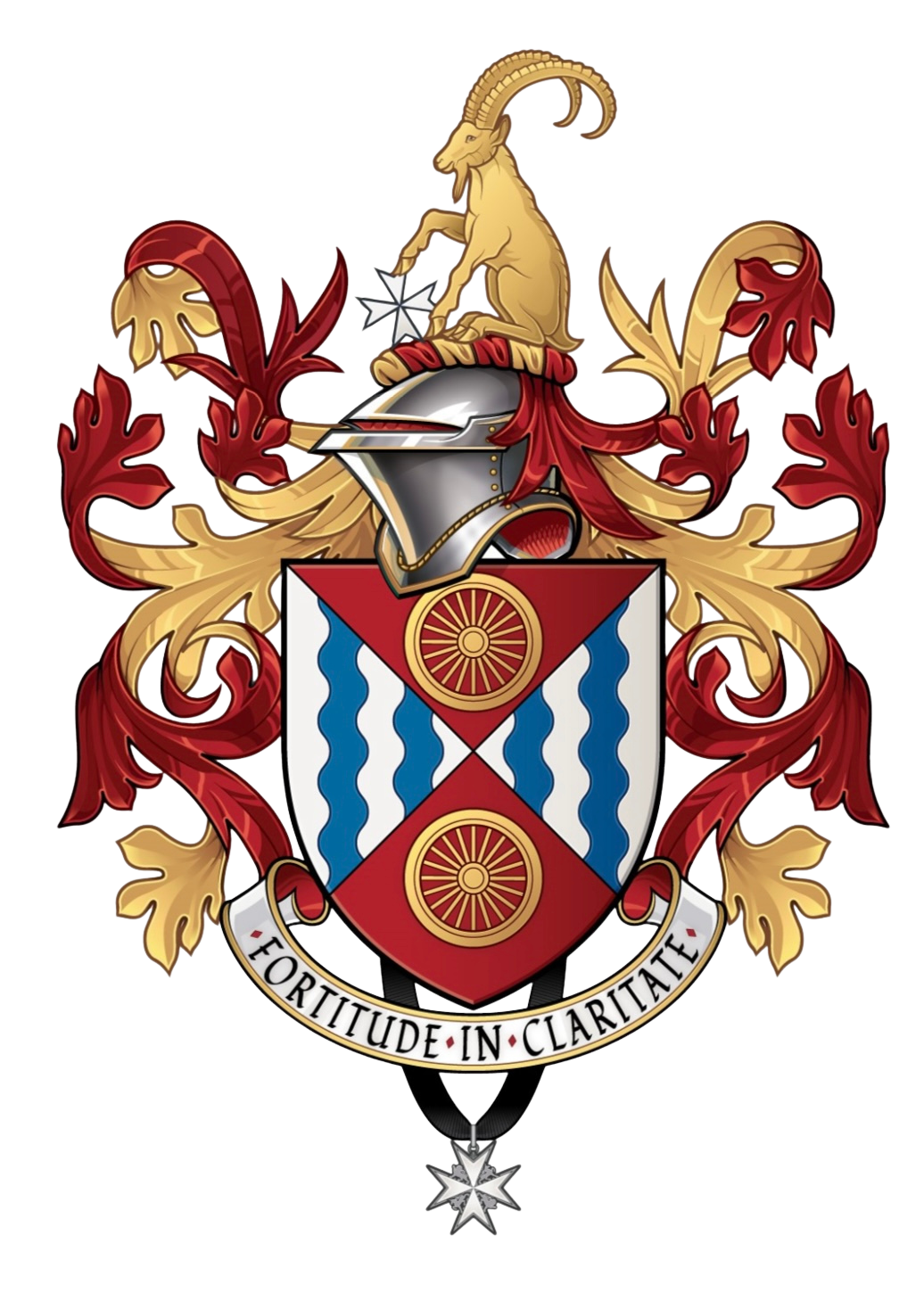
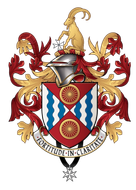
English Coat of Arms of the Lord and Baron of Fentoun

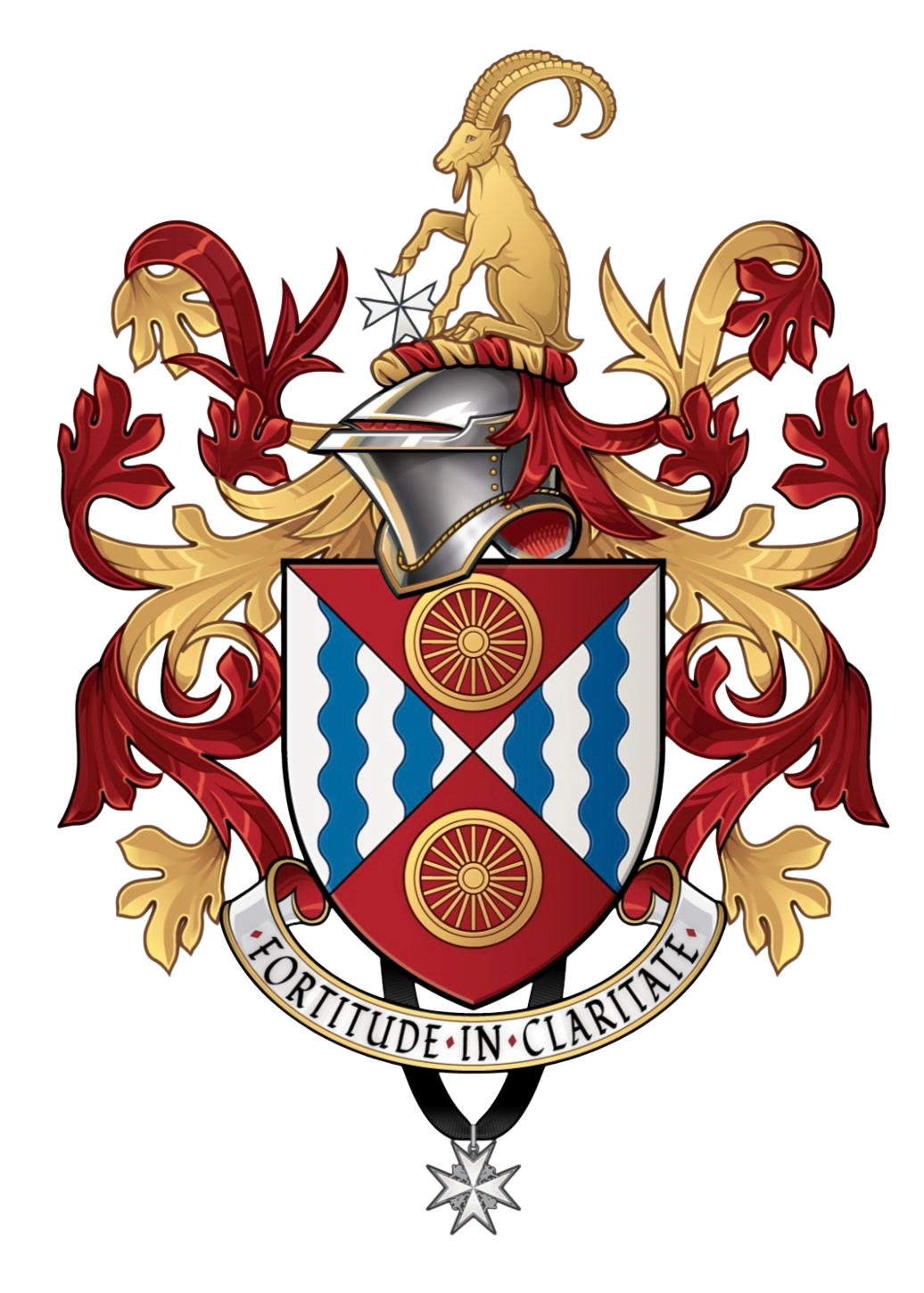
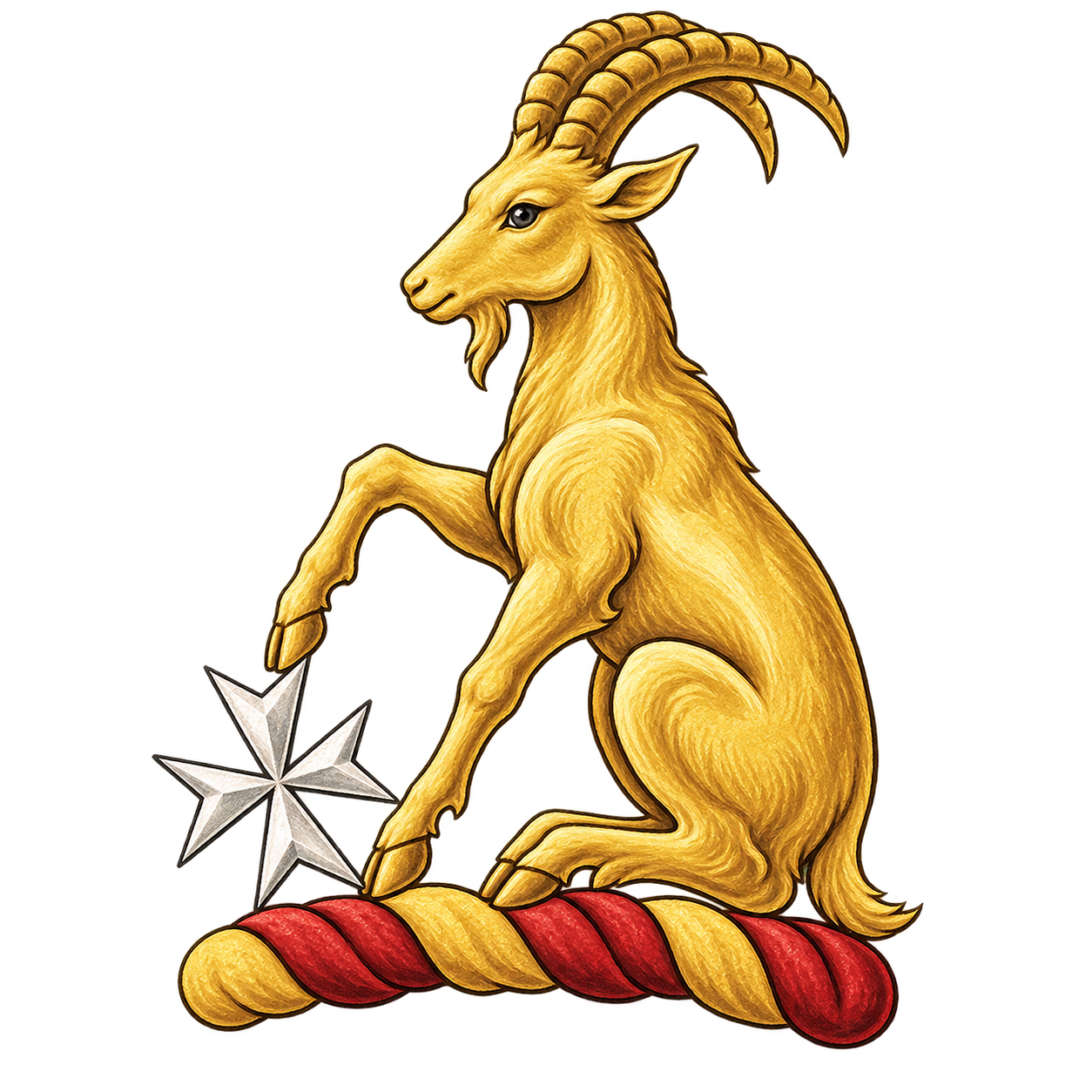
The arms of the current Lord and Baron of Fentoun, granted in 2014 by the Royal College of Arms in London. He also holds the rank of Commander in the Most Venerable Order of the Hospital of St. John of Jerusalem, having been granted that rank by HRH Queen Elizabeth II in 2014, as notified in the London Gazette.

Barony Register

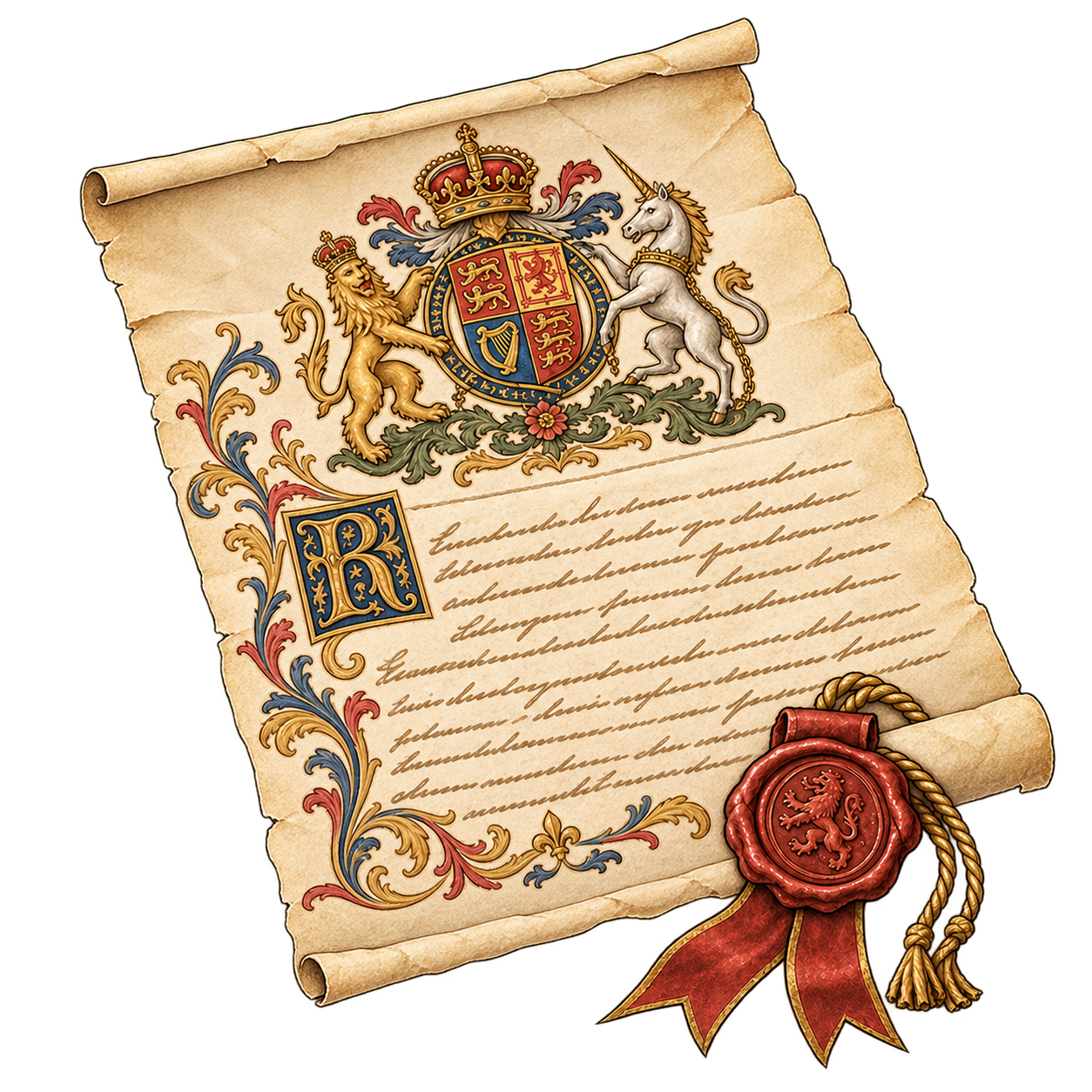
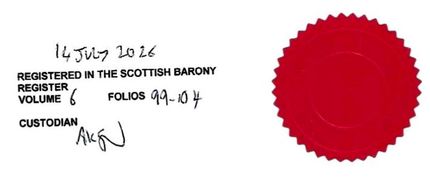
Scottish Barony Register and seal

Recorded in the Scottish Barony Register

old Edinburgh Gazette logo

Officially notified in the Edinburgh Gazette (Official Notice)

Registered Tartan

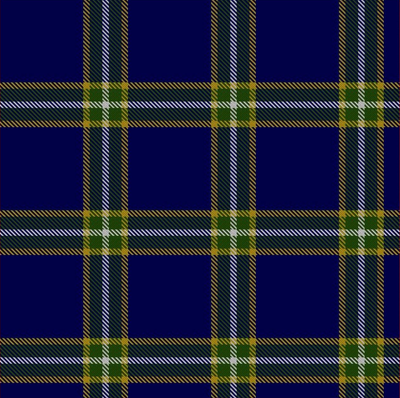
Registered Fentoun Tartan

The Fentoun personal tartan of the current Lord and Baron is registered with the official Scottish Registry of Tartans.


The deep blue of the North Sea grounds this tartan. This blue pairs with the green of the East Lothian hills around Fentoun Tower to symbolize the lands of the Eastern Lowlands; with the white stripe, it evokes the St. Andrew’s Cross of the national Saltire (which legendarily originated in this area after a great Pictish vistory in 833 AD); and it pairs with gold to evoke the colours of the current Lord of Fentoun’s Oxford dining society, The Stoics.

Historical Anchor: Fenton Tower

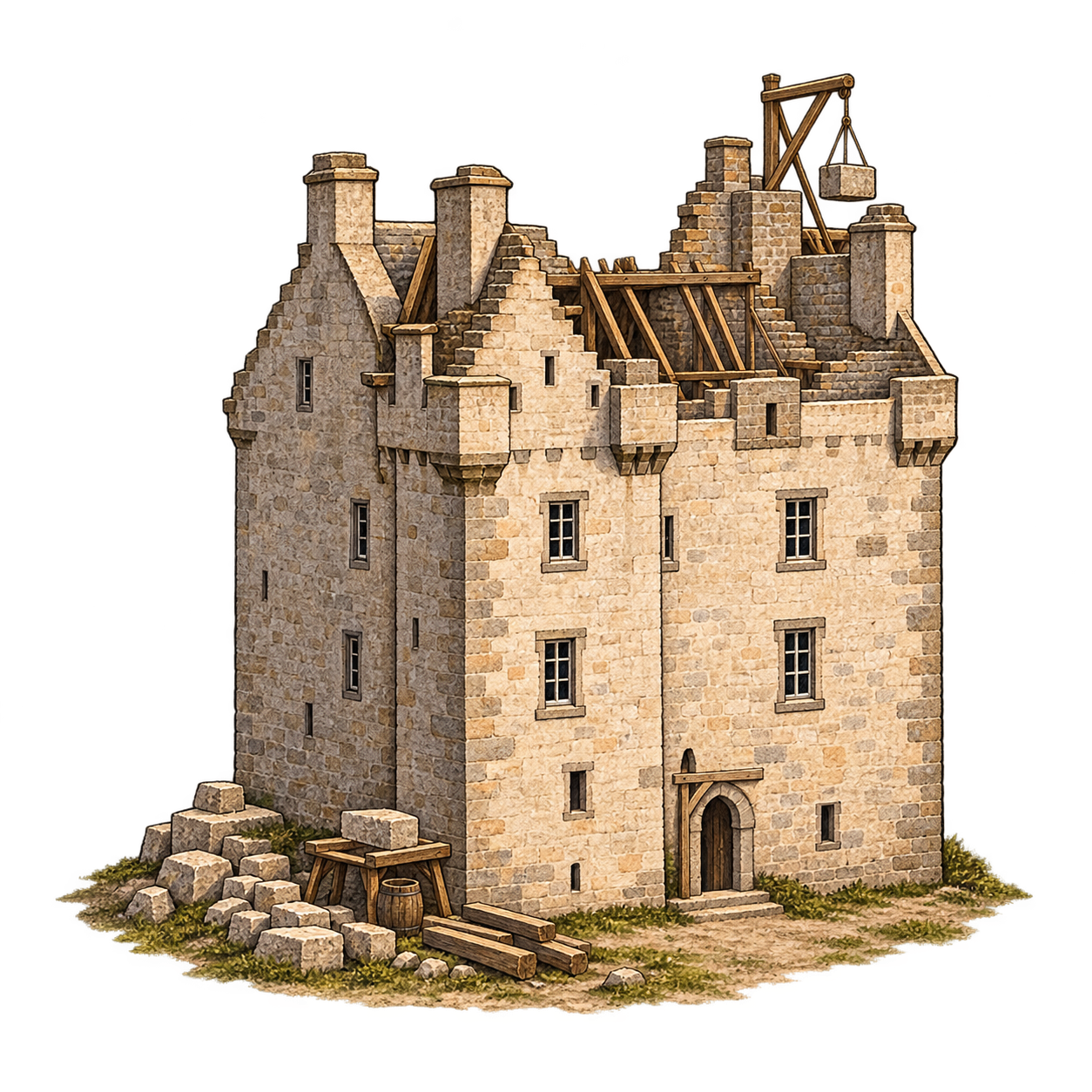
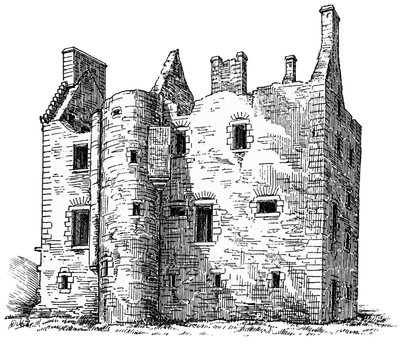
A sketch of Fenton Tower

A stronghold for centuries—a landmark of East Lothian heritage.

The Present Lord and Baron of Fentoun

breaker line

Professor Christopher Ashley Ford, CStJ, FRSA

In 2026, this noble title passed once again into the hands of a single title holder, Professor Christopher Ashley Ford, CStJ, FRSA – an academic, former naval officer, and former senior diplomat in the United States of America – who became Lord and Baron of Fentoun on July 10 of that year. His wife, the Lady of Fentoun, is Mrs. Schuyler McIntosh Ford; their daughter lives in New York City.
English Coat of Arms
Harvard emblem
Rhodes Trust emblem
Oxford University emblem
Christ Church Oxford emblem
Wolfson College Oxford emblem
Yale Law School emblem
U.S. Navy emblem
U.S. Senate emblem
Society of Colonial Wars emblem
U.S. Department of State emblem
Order of St. John emblem
Upaya Zen Center emblem
Dai Nippon Butoku Kai emblem
The Pilgrims emblem
NSC emblem
ISN Bureau emblem
Missouri State University emblem
Royal Society of Arts emblem
The Colonial Lodge emblem
Aedes Christi emblem
City of London emblem
Stationers Company emblem
DSS emblem