info@lordoffentoun.com
Until 2004, noble titles in the Scottish baronage passed to whomever was the owner of the specific lands (e.g., Fenton Tower and its environs) associated with each title. For hundreds of years, therefore, these titles could in effect be freely bought or sold, for with the sale or transfer of the relevant land the feudal dignity of the associated title would pass to the new owner. (This was an apparently unique feature of Scottish law; in no other country could noble titles be lawfully purchased.) Such Scottish titles could, moreover, pass equally – along with the relevant land – to either male or female holders.
Historically, the holder of such a title enjoyed certain legal rights vis-à-vis the inhabitants of the lands in question. Originally, barons administered justice in the lands associated with their title and even sat in the Parliament of Scotland, though over time these local administrative rights were gradually constricted to the point of near-irrelevance and the privilege of sitting in parliament was taken away from the minor nobles of the baronage and restricted to the Lords of Parliament.
Under the Abolition of Feudal Tenure Act of 2000 – legislation passed by the newly devolved (1999) Scottish Parliament as a repudiation of feudal principles – Scottish titles ceased to be connected to specific parcels of land. Under this law, baronage titles ceased to exist as feudal dignities tied to the land. The law, however, did not change the ancient Scottish legal principle that such dignities could be transferred as property, and the noble titles of the baronage thus continued to exist as dignities (and to be freely transferable) in their own right.
Since 2004, baronage titles have thus remained in existence, but they are now merely incorporeal and heritable rights, shorn of connection to any specific parcel of land. They can nonetheless still be sold, purchased, or inherited on their own. Scotland thus still remains the only country where ancient noble titles can legitimately be transferred outside of specific bloodlines, and Scottish baronies and lordships – and whatever very few extremely rare baronage titles of still higher rank that may continue to exist – continue occasionally to be transferred between owners to this day.
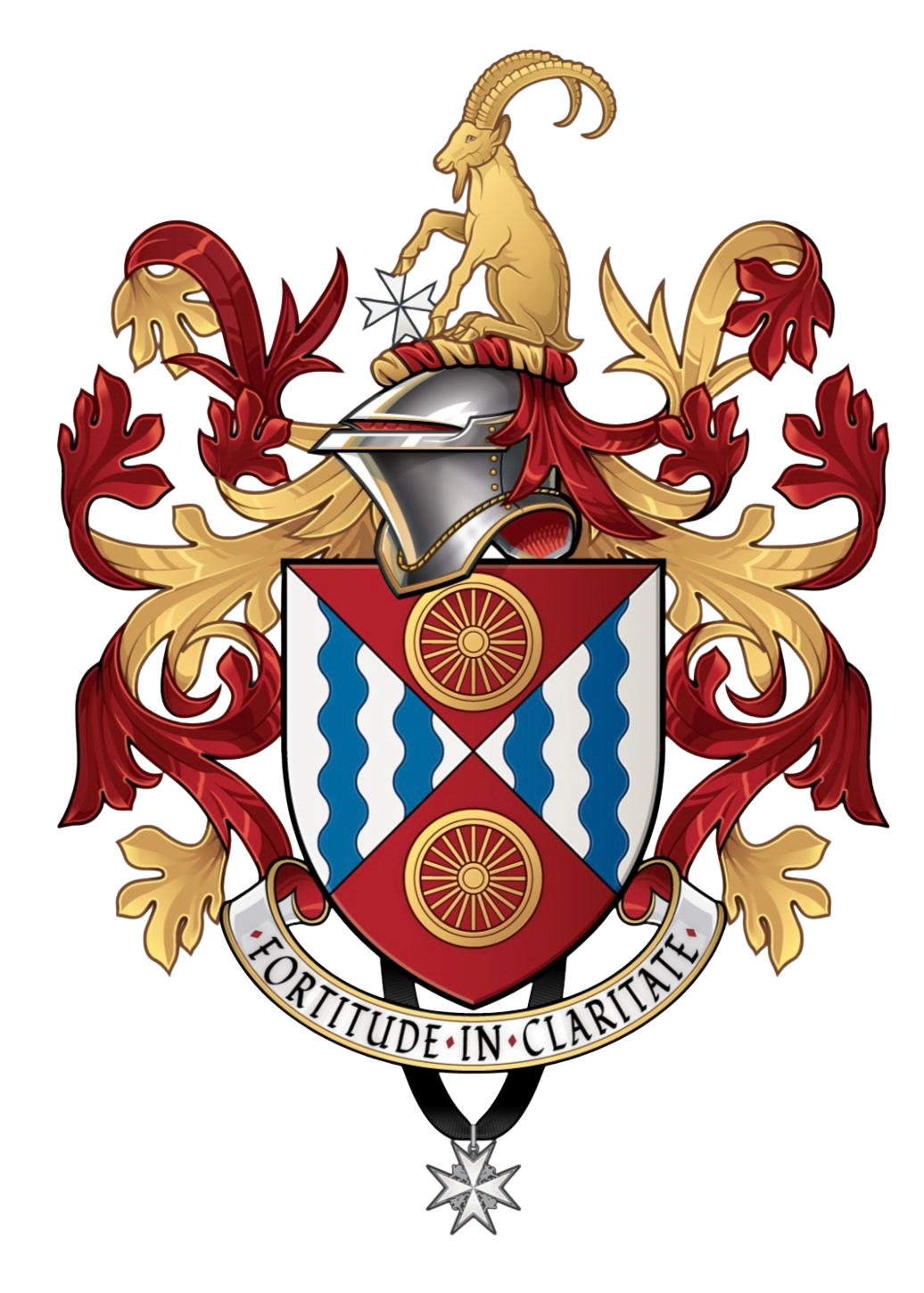
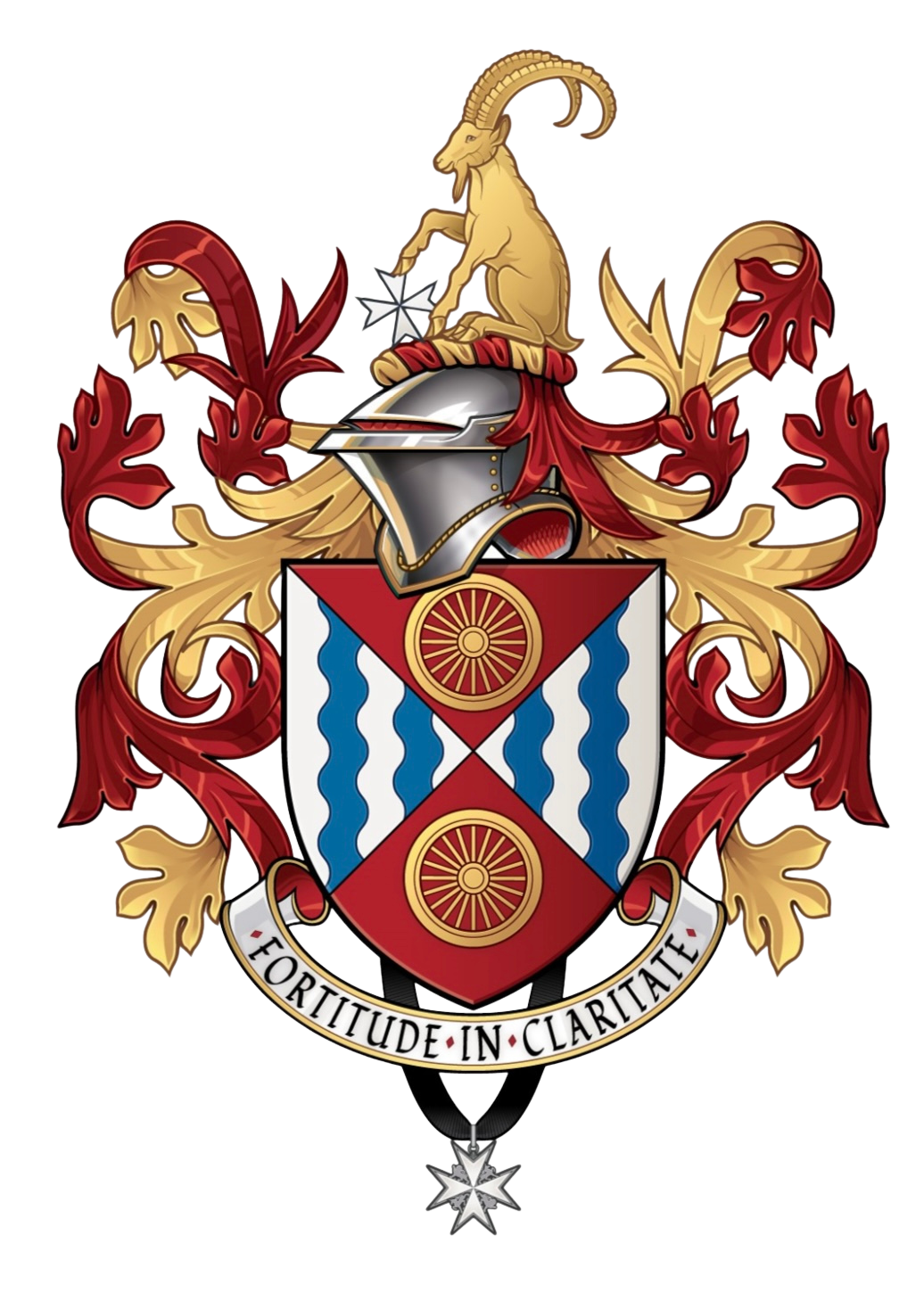
Holders of Scottish barony titles fall within the jurisdiction of the Lord Lyon King of Arms, and may upon this basis be granted coats of arms in Scotland. Until 2004, before which titles in the Scottish baronage were still associated with specific parcels of land, transfers of such titles were officially recorded in the Registers of Sasines, the Scottish Land Register. Since 2004, however – at which point these titles were dissociated from the land – transfers are recorded by the Scottish Barony Register, a private, non-statutory record-keeping forum maintained by a consortium of Scottish lawyers. (The Register maintains documentary evidence of the chain of ownership of such titles – e.g., an Extract Crown Charter in favor of the original baron, quick copy titles tracing the ownership of the Barony from the original Crown grant until 2004, and legal documents demonstrating whatever assignations may have occurred from owner to owner since that date. As of 2026, the Custodian of the Scottish Barony Register was Alastair Kennedy Shepherd, a retired solicitor and Writer to His Majesty’s Signet.)